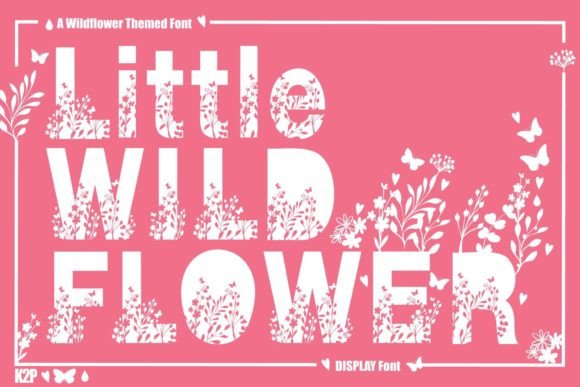
Little Wildflower: A Nature-Inspired Decorative Font
The morning light was just hitting my workbench when I opened the new file for Little Wildflower. I had a stack of blank kraft paper labels waiting for a batch of soy candles, and I wanted something that felt organic yet polished. As soon as I typed out "Lavender & Sage," the letters seemed to bloom on the screen. This decorative font captures the delicate, untamed beauty of nature without sacrificing readability. For makers like us, finding a typeface that bridges the gap between whimsical charm and professional presentation is rare. Little Wildflower does exactly that, turning simple text into a visual experience that invites customers to pause and appreciate the details.
Bringing Handmade Labels to Life
When you run a small handmade business, your packaging is often the first physical touchpoint a customer has with your brand. I recently used Little Wildflower for a line of botanical skincare products. The font’s natural curves and subtle irregularities mimic the imperfections found in real wildflowers, creating an immediate emotional connection. It feels personal, as if each label was hand-lettered specifically for the recipient. This level of intimacy is crucial for boutique tags and product labels where you want to convey care and craftsmanship.
Because Little Wildflower is a premium font designed with versatility in mind, it performs beautifully on various materials. Whether you are printing on glossy sticker paper for jar labels or matte cardstock for hang tags, the lines remain crisp and distinct. The font works exceptionally well for short phrases, product names, and decorative wording. However, it is important to consider scale. For smaller labels, such as those on lip balms or sample-sized items, ensure you test the legibility at reduced sizes. In my experience, keeping the text above 10 points ensures that the intricate details of the characters do not blur during the printing process.
Elevating Wedding Stationery and Invitations
Beyond product packaging, this typeface shines in the world of event stationery. I recently designed a set of wedding invitations for a friend who wanted a rustic, garden-party aesthetic. Little Wildflower became the star of the show, used prominently for the couple’s names and the header text. Its airy, open structure allows it to breathe on the page, creating a sense of elegance and space. When paired with a clean sans serif font for the body text containing date, time, and location details, the contrast creates a balanced and modern layout.
This font is also ideal for wedding welcome boards, seating charts, and menu cards. The natural vibe of the typography complements floral arrangements and wooden signage perfectly. For digital invitation designers, Little Wildflower offers a unique advantage. It adds a bespoke feel to editable templates, allowing buyers to customize their events with a touch of artistic flair. The key here is restraint; let the font speak for itself by keeping the surrounding design elements minimal. This approach highlights the font’s character and ensures that the important information remains the focal point.
Creating Engaging Digital Printables and Wall Art
In the realm of digital downloads, standing out in a crowded marketplace requires distinctive design assets. Little Wildflower is a fantastic choice for printable wall art, especially for quotes, affirmations, or nursery decor. The font’s gentle personality evokes feelings of calm and warmth, making it suitable for spaces dedicated to relaxation and creativity. I have used it to create seasonal printables, such as spring-themed grocery lists and summer bucket list posters. The result is always cohesive and visually appealing.
For planner enthusiasts, this font adds a delightful touch to cover pages and section dividers. It transforms standard organizational tools into personalized keepsakes. When designing for digital use, remember that screen resolution differs from print. Always preview your designs on multiple devices to ensure the font renders correctly. Little Wildflower’s PUA encoding is a significant benefit here, allowing easy access to special characters and alternates without complex coding knowledge. This feature streamlines the design process, enabling creators to add unique flourishes to their digital products efficiently.
Smart Font Pairing for Brand Identity
One of the most critical aspects of using a decorative typeface is knowing how to pair it effectively. Little Wildflower has a strong personality, so it pairs best with neutral, structured fonts. A simple serif font can add a touch of traditional elegance, while a geometric sans serif provides a contemporary contrast. Avoid pairing it with other script or highly decorative fonts, as this can create visual clutter and reduce readability. The goal is to create harmony, not competition, between the typefaces.
For logo design and brand identity, consider using Little Wildflower for the primary brand name or tagline. Its memorable style helps with brand recognition, making your shop stand out in social media graphics and website headers. However, for longer paragraphs of text, such as about pages or product descriptions, stick to a highly readable body font. This strategy ensures that your brand looks professional and accessible while maintaining its creative edge.
Technical Tips for Makers and Sellers
Before incorporating Little Wildflower into your commercial products, it is essential to review the included files and licensing terms. The font comes in standard formats compatible with most design software, including Adobe Illustrator, Photoshop, and Canva. For users of cutting machines like Cricut or Silhouette, the PUA encoding allows you to access all glyphs and ligatures directly within the software. This means you can create intricate monograms and custom designs without needing advanced vector editing skills.
Always check the specific commercial license included with your purchase. Most premium fonts allow for unlimited physical product sales, but restrictions may apply to digital templates or web embedding. Understanding these boundaries protects your business and respects the designer’s work. Additionally, take time to explore the alternate characters and swashes. These small details can significantly enhance your designs, adding a custom touch that sets your products apart from mass-produced items.
Ultimately, Little Wildflower is more than just a set of characters; it is a tool for storytelling. Whether you are labeling a handmade candle, designing a wedding invitation, or creating a digital planner, this font infuses your work with a sense of natural beauty and artisanal care. By understanding its strengths and limitations, you can leverage its charm to build a cohesive and engaging brand identity that resonates with your audience.